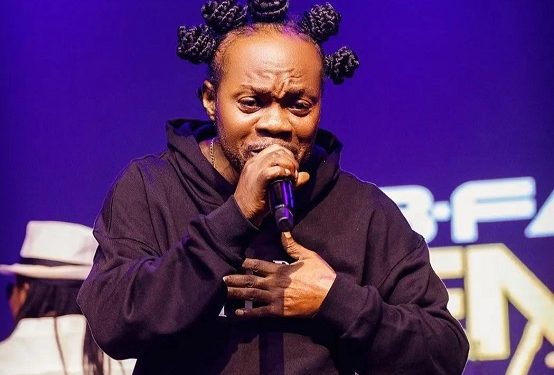
The Probate and Administration Division of the High Court in Accra has confirmed that no will has been recorded by the late highlife musician Charles Kwadwo Fosu, popularly known as Daddy Lumba, as family members and legal representatives continue to navigate complex estate disputes.
A registry search at the court was conducted to determine whether a last will had been deposited — including details on the filing date, executor, or lawyer involved — but the official response, dated 19 January 2026, states that no such will exists in the court’s records.
What This Means for Estate Administration
The absence of a recorded will suggests that Daddy Lumba’s estate could default to Ghana’s intestate succession laws — the legal framework that governs how property is distributed when someone dies without a will. Under these rules, the deceased’s assets are typically shared among surviving spouses, children, and other dependents according to statutory formulae rather than personal instructions left in a will.
The intestate process can be lengthier and more complex than administering a will, especially when there are competing claims over spousal status, children, and other beneficiaries — circumstances that have already emerged in the legal battles involving Daddy Lumba’s family.
The Broader Estate Dispute
The news that no will was found adds another layer to ongoing disputes related to the late musician’s estate:
-
Widowhood and spousal recognition cases have been before the courts, with arguments over who qualifies as a surviving spouse under Ghanaian law.
-
The High Court in Kumasi previously ruled that both Akosua Serwaa Fosuh and Priscilla Ofori (also known as Odo Broni) are legally recognised spouses of Daddy Lumba, a decision now under appeal.
-
Other legal challenges and family disagreements about funeral rights, marital status, and inheritance have played out publicly since the musician’s death in July 2025.
Without a will, the court must decide how to apply the Intestate Succession Law, 1985 (PNDCL 111) to divide assets, including property holdings and other estate components, among recognised beneficiaries.
Read Also: Daddy Lumba Estate Dispute: A Breakdown of the 19 Properties at the Centre of the Legal Battle
What Happens Next
The absence of a recorded will does not halt estate administration — it simply means the court and involved parties will rely on statutory legal procedures rather than testamentary instructions from the deceased.
Legal experts note that dying without a will often leads to:
-
Longer timelines to settle the estate
-
Increased potential for disputes among family members
-
Greater reliance on evidence of relationships, customary marriages, and statutory rights
In Daddy Lumba’s case, these complexities have already surfaced in multiple legal proceedings involving the musician’s spouses, extended family, and representatives, and they are likely to influence how his estate is ultimately administered and distributed.
Conclusion
The High Court’s confirmation that Daddy Lumba did not leave a registered will significantly affects the legal process for handling his estate. With claims from multiple parties and ongoing appeals in court over spousal recognition and inheritance rights, the musician’s estate will now be administered under Ghana’s intestate succession regime — a situation that could extend legal battles and negotiations in the months ahead.
