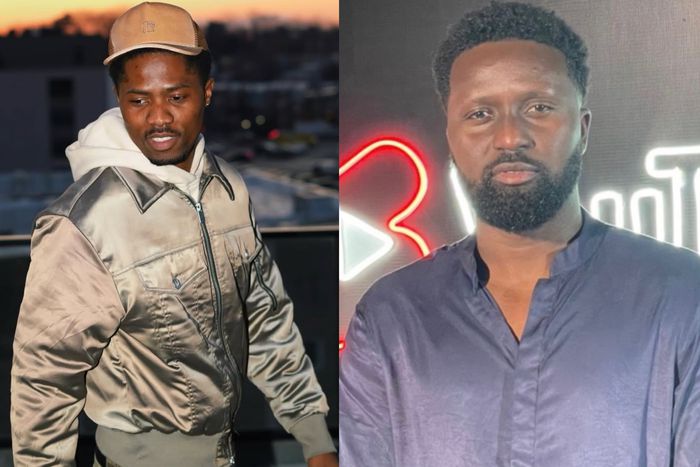
A firestorm has erupted across Ghana’s entertainment scene after acclaimed rapper Kwesi Arthur publicly accused his former record label Ground Up Chale and CEO Glen Boateng of extortion, threats, and manipulation — with the dispute sparking widespread reaction from fans, peers, and celebrities alike. The allegations have set off a robust discussion about artist rights, contract fairness, and industry practices.
Kwesi Arthur’s social media statement alleges that the label has demanded US$150,000 for him to use his own images in a new independent project and that Ground Up continues to claim ownership over his music, image, and brand dating back to 2016 — despite no formal affiliation since his album Son of Jacob in 2022.
What Kwesi Arthur Has Said
In a strongly worded post on X (formerly Twitter), Kwesi Arthur said that Ground Up Chale’s claims over his image and music rights are unreasonable and exploitative. He also alleged that the situation has taken a toll on his mental wellbeing and that any interference with his current project should be blamed on the label.
One of the most discussed parts of his statement was a warning:
“If anything happens to me, Glen Boateng and all team members of Ground Up Chale are responsible.”
These comments amplified the controversy and prompted reactions from various corners of Ghana’s entertainment industry.
Celebrities and Industry Voices Join the Debate
Once the dispute went public, several Ghanaian artists and media personalities voiced support for Kwesi Arthur or shared their views on the larger issues involved:
-
Medikal and KaySoFromTema were among the music colleagues widely noted for supporting Kwesi Arthur’s position online. Fans and entertainers used the hashtag #FreeKwesiArthur to show solidarity and call for transparency in artist management.
Medikal talks about the ongoing issue between Kwesi Arthur and Glen pic.twitter.com/fh0gFuuWRw
— Prosper BYK (@ProsperByk) January 21, 2026
-
Kweku Flick — expressed solidarity, revealing he now understands why past collaborations with Kwesi never materialized, assuming it was personal but realizing it stemmed from label issues. “I love you @KWESIARTHUR_ … Stay strong, your mental well-being matters,” he wrote, offering support and highlighting the emotional toll.
I now understand why all our collaborations couldn’t happen, I have been worried about this for a long time. Was asking myself “why why why doesn’t he like me”?? Not knowing it wasn’t his fault!!
I love you @KWESIARTHUR_ 🫂🫂 .If God says you’re the chosen one, who be man ??…— KWEKU FLICK (@KwekuFlick) January 22, 2026
These reactions reflect broader concerns within Ghana’s creative community about how artists are managed and protected, especially as musicians increasingly seek control over their own work and careers.
The Label’s Response and Legal Context
Ground Up Chale and its representatives have contested some of the public claims. According to statements by the label’s lawyer, Jonathan K. Amable, the dispute centers on the use of specific video footage and visual materials created while Kwesi Arthur was under contract — materials that the label argues remain its intellectual property.
Amable also clarified that the label did not block Kwesi Arthur from using his own images generally, but rather only certain assets owned by the company that were created during the contractual period. He emphasized that royalty payments — documented in past correspondence — had been made to the artist, contradicting the claim that he “made nothing” from his music while under the label.
Other reports suggest parts of the public narrative may be based on misunderstandings or incomplete information, underscoring the complexity of music contracts and rights ownership.
Read Also: Shatta Wale Says He and Stonebwoy Have No Personal Beef: ‘He Inherited Samini’s Conflict’
What This Means for the Ghanaian Music Scene
This dispute has reignited important discussions about:
-
Artist contracts and rights
-
Transparency in financial arrangements
-
Ownership of creative works and intellectual property
-
Support structures for artists transitioning to independence
Kwesi Arthur’s case serves as a reminder of the legal and business challenges that can follow artists even after they leave a label, particularly when contractual terms are broad or ambiguous.
Industry observers have pointed out that many artists in Ghana may benefit from stronger legal representation and clearer contract terms early in their careers — a lesson highlighted by social media commentary and fan responses following this controversy.
Conclusion
The Kwesi Arthur vs Ground Up Chale dispute has become more than a single artist’s grievance — it is now a flashpoint for broader industry reflection on rights, contracts, and fair treatment in Ghana’s music business. Celebrity reactions have kept the conversation in the public eye, while responses from legal representatives underscore how complex music rights can be.
As the debate continues, many hope it will encourage more transparent and equitable practices in artist–label relationships going forward.
