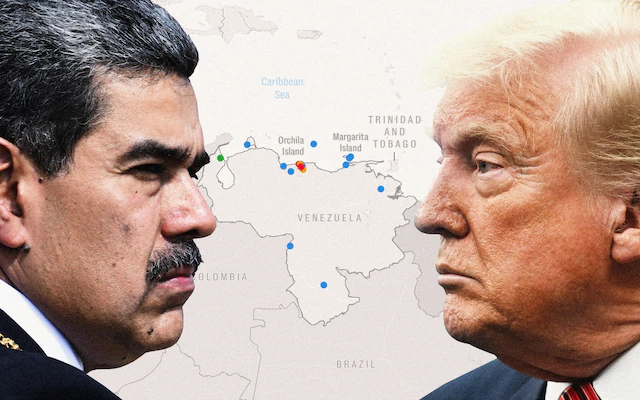
In a rapidly unfolding international situation, the Economic Community of West African States (ECOWAS) has urged restraint following reports of the capture of Venezuelan President Nicolás Maduro and his wife in early January 2026. While emphasizing the global fight against terrorism and transnational crime, ECOWAS made it clear that no nation should violate Venezuela’s sovereignty or territorial integrity.
This statement underscores a growing African and international consensus: peaceful resolution, diplomacy, and respect for international law must guide responses to political crises. For ECOWAS, the priority is the protection of democratic principles, regional stability, and the rights of the Venezuelan people to determine their own future.
ECOWAS Statement on International Law
ECOWAS referenced the United Nations Charter, Article 2(4), which prohibits threats or the use of force against the political independence of any nation. The bloc stressed that any operations—even those targeting transnational crime—must adhere to international law and respect a country’s sovereignty.
In its statement issued from Abuja on 4 January 2026, ECOWAS aligned itself with a similar call from the African Union (AU), emphasizing dialogue, non-interference, and peaceful resolutions as the preferred approach. (AA News)
Broader Implications for Global Politics

The situation in Venezuela has drawn attention from international organizations and African blocs alike, highlighting a growing emphasis on non-intervention and diplomacy. ECOWAS’ statement reflects the bloc’s commitment to:
-
Upholding sovereignty and territorial integrity
-
Ensuring the safety and rights of civilian populations
-
Encouraging diplomatic solutions over military interventions
By advocating restraint, ECOWAS signals to both regional and global actors that African institutions prioritize legal norms, dialogue, and peaceful resolutions, even when confronting complex international crises.
Read Also: Over 300 Abducted in Nigeria School Raid — Christian Association Confirms 315 Missing
The Role of African Organizations
ECOWAS’ stance mirrors the African Union’s ongoing advocacy for inclusive political dialogue and respect for national sovereignty. These statements are particularly significant given Africa’s historical emphasis on non-interference and collective diplomacy in international conflicts.
For Ghanaian and African audiences, ECOWAS’ position demonstrates that African institutions are actively engaged in shaping global responses to crises—not just as observers, but as actors emphasizing law, stability, and peace.
Conclusion
ECOWAS’ call for restraint in Venezuela is more than a political statement—it is a reminder that sovereignty, international law, and diplomacy must guide the world’s response to crises. As the situation continues to unfold, the bloc’s position highlights the importance of measured, responsible action, and the role African institutions can play on the global stage.
The challenge now is ensuring that international responses align with these principles while supporting the Venezuelan people’s right to a peaceful, self-determined future.
