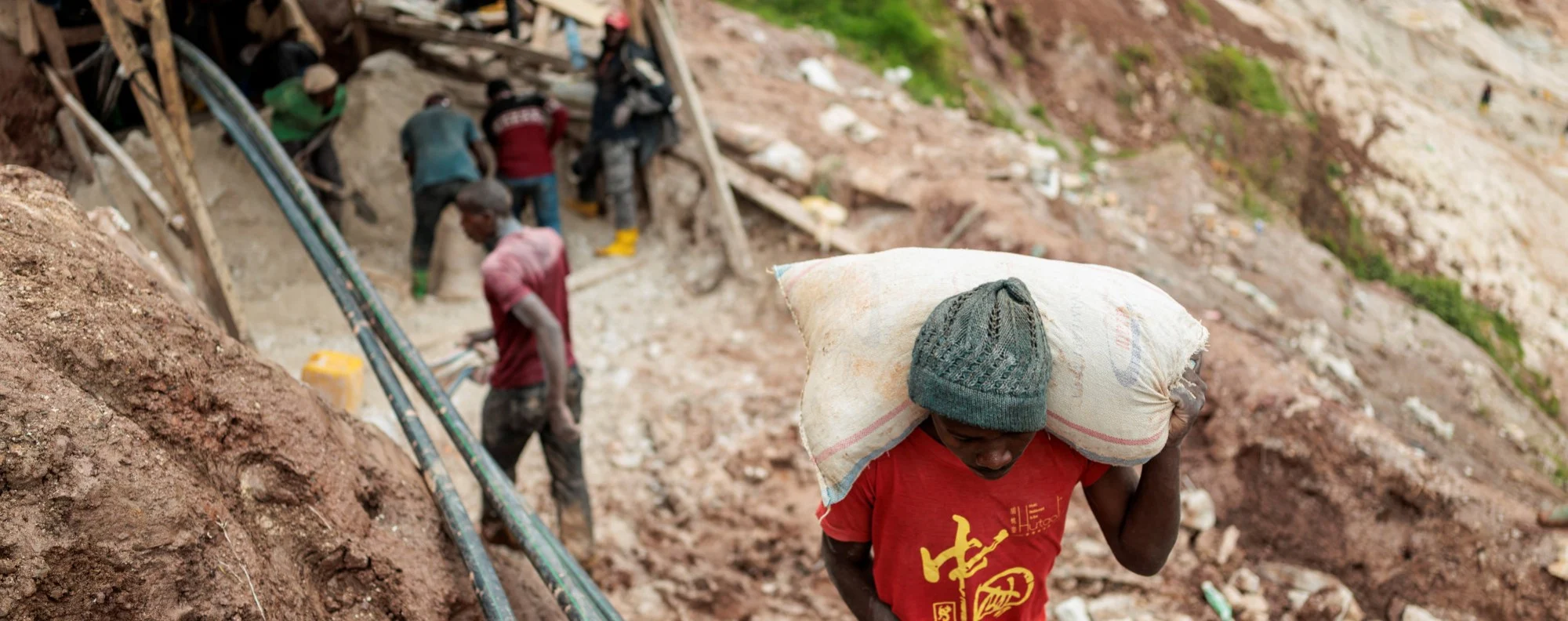
At least more than 200 people have been killed after a landslide caused the collapse of several mining pits at the Rubaya coltan mine in eastern Democratic Republic of Congo (DRC), officials and local authorities said. The tragedy, which occurred on 28 January 2026, has raised urgent concerns about mining safety, humanitarian response and the vulnerability of artisanal miners working in unstable conditions.
What Happened
According to local officials, heavy rainfall triggered a landslide that caused multiple sections of the coltan mining area to collapse at the Rubaya mine in North Kivu province. The mine is known for producing around 15 % of the world’s coltan, a valuable mineral used to make tantalum — a metal critical for mobile phones, computers, aerospace components and other electronics.
Lumumba Kambere Muyisa, a spokesperson for the rebel-appointed governor of North Kivu, reported that more than 200 people were killed, while others were injured and taken to local health facilities. Many of the victims were miners working by hand, and some bodies are still entombed in the mud and debris, making the precise toll difficult to confirm.
Who Was Affected
The victims included artisanal miners, children and market traders who were present at the site when the landslide struck. Around 20 injured survivors were being treated in nearby health centres, with others expected to be moved to larger hospitals in Goma, the nearest major city.
Artisanal mining in eastern Congo is often carried out informally with little safety oversight, leaving workers exposed to unstable ground, unregulated tunnels and a high risk of collapse — especially during the rainy season when soil saturation can cause sudden landslides.
Context: Rebels and Mineral Wealth
The Rubaya mining area has been under the control of the M23 rebel group since 2024, a situation that has complicated governance, safety enforcement and humanitarian access. The United Nations and other bodies have previously accused the group of exploiting and taxing mineral resources to fund its insurgency, a claim denied by neighbouring states implicated in the conflict.
Congo’s eastern provinces have been marked by ongoing conflict and instability, which has hindered regulation of mines and made it difficult to implement effective safety measures for workers digging manually for subsistence wages.
Read Also: France Moves to Abolish Legal Marital Duty to Have Sex, Ending ‘Conjugal Rights’
Aftermath and Rescue Efforts
Following the collapse, search and rescue operations have continued amid challenging conditions, with mud, unstable terrain and poor infrastructure slowing efforts to recover bodies and assist survivors. Local authorities also temporarily halted mining activities in the area and urged residents living near unstable ground to relocate for safety.
The tragedy has renewed calls from humanitarian organisations and community advocates for improved safety protocols at mining sites and greater support for vulnerable populations who depend on mining for their livelihoods.
Conclusion
The mine collapse at Rubaya is among the deadliest mining disasters in recent years in the DRC, highlighting systemic issues in informal mining, inadequate safety oversight, and broader socio-economic challenges in conflict-affected areas. As the full death toll remains unclear and recovery efforts continue, families, communities and authorities are grappling with the scale of the loss and the urgent need to prevent similar tragedies in the future.
